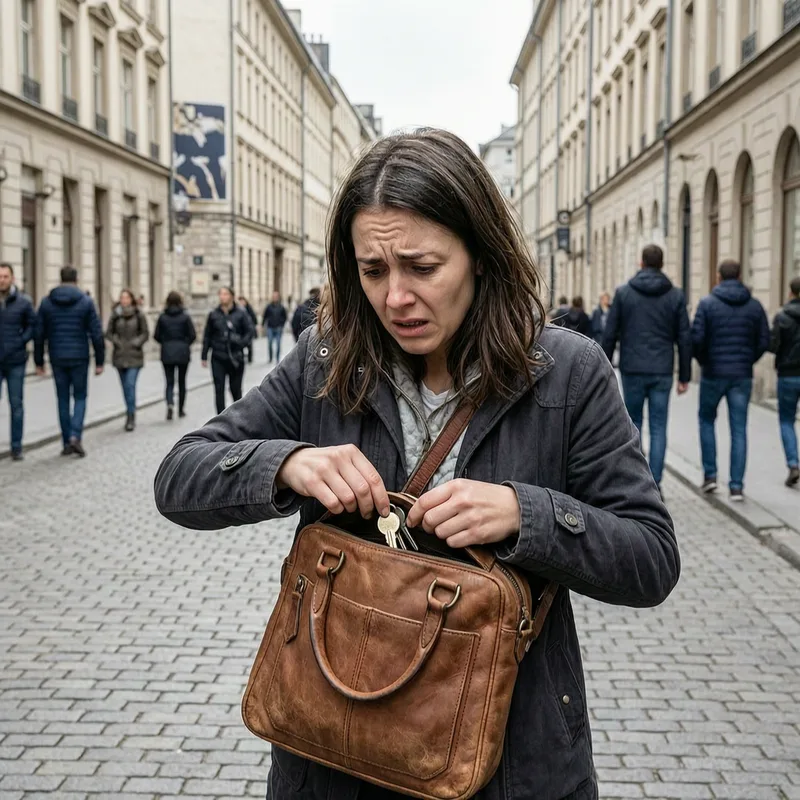
Experiencing a burglary is distressing enough, but receiving a claim rejection letter from your German insurance company adds insult to injury. Whether you're an expat new to the German insurance system or a long-term resident, understanding why your claim was denied is the first step toward getting it approved on appeal. German insurers follow strict contractual and legal standards, and many claims are rejected not because of fraud, but because policyholders inadvertently failed to meet specific conditions outlined in their Versicherungsvertrag (insurance contract).
This guide walks you through the most common rejection reasons, your rights under German law (including the Versicherungsvertragsgesetz – VVG), and practical steps to contest an unfair denial. We'll also explain how securing your home properly and understanding your policy can prevent future rejections.
Common Reasons for Burglary Claim Rejection
German insurers reject break-in claims for several documented reasons. The most frequent culprit is inadequate door and window security. Your policy likely specifies minimum security standards—for example, locks must meet DIN 18251 standards for exterior doors, and windows may require approved locks or security bars. If a burglar entered through an unlocked window or a door with a simple, outdated lock, insurers often argue you failed to exercise reasonable care (Obliegenheiten).
Another common rejection relates to missing or incomplete police reports. German law requires you to file a formal Anzeige (criminal complaint) with the Polizei within a reasonable timeframe—typically within 48 hours. Insurers may deny claims if no police report exists or if the report lacks essential details about entry points, stolen items, or damage. They use the police documentation to verify the claim's legitimacy.
A third major reason involves policy exclusions or coverage gaps. Many standard Hausratversicherung (household contents insurance) policies exclude valuables kept in safes, jewelry over certain amounts, or cash. Some policies also exclude claims if the insured property was vacant for extended periods (often longer than 30–60 days). Carefully reviewing your exclusions clause (Ausschlüsse) is essential before assuming your stolen items are covered.
Inadequate Lock Standards & Security Failures
German insurers are notorious for citing insufficient locking mechanisms as grounds for rejection. When you purchase a policy, the insurer assesses your property's baseline security. If, during a break-in, investigators discover that entry was possible through substandard locks, broken hinges, or windows without proper fasteners, the insurer may argue you breached your duty of care—even if the burglar forced entry. This is where the concept of Sorgfaltspflicht (duty of care) becomes critical.
To avoid rejection on these grounds, ensure all external doors have locks certified to DIN 18251 level 3 or higher, and windows in ground-floor or easily accessible areas should have approved locks or security bars. After filing a claim, the insurer will conduct a site inspection. Document your security measures photographically before any break-in occurs—timestamps on these photos can later prove your locks met standards at the policy inception date.
If your claim was rejected due to alleged lock inadequacy, ask the insurer for a written expert assessment (Schadengutachten). Challenge their findings by obtaining your own independent assessment from a certified Sachverständiger (appraiser) or locksmith. German law requires insurers to prove, not merely assume, that your security was deficient.
Missing Documentation & Police Report Issues
A rejected claim often stems from incomplete documentation. The moment you discover a break-in, your first action must be to contact the police immediately and file a formal criminal report (Anzeige zur Anzeige). Request a copy of your Anzeigenbestätigung (police report confirmation) or Beweissicherung (crime scene evidence report). Without this document, insurers routinely deny claims, citing insufficient proof of the burglary.
Beyond the police report, maintain a detailed inventory and photographic evidence of stolen or damaged items, including serial numbers, purchase receipts, and value estimates. In Germany, the burden of proof rests with you—the insured. Insurers expect itemized lists, not vague claims like
How to Appeal a Rejected Claim in Germany
When your Versicherungsgesellschaft (insurance company) rejects your claim, you have the right to appeal. Write a formal Widerspruch (objection letter) within the timeframe specified in the rejection notice—typically 30 days. Address it to the insurer's Schadensabteilung (claims department) and include your policy number, claim reference, and a clear explanation of why you believe the rejection is unjustified. Reference specific contract clauses and German law (VVG § 28, which covers policyholder duties). If the insurer cited inadequate locks, provide independent expert assessments. If they cite missing documentation, submit the supplementary materials.
If the insurer rejects your Widerspruch, consider engaging a Versicherungsrechtsanwalt (insurance law attorney) or filing a complaint with the Versicherungsombudsman (insurance ombudsman), a free alternative dispute resolution service. In serious cases, you may pursue Schlichtung (mediation) or Schiedsverfahren (arbitration) as outlined in your policy. Document every communication in writing and retain copies of all correspondence.
Frequently Asked Questions
German insurers apply strict contractual standards and a principle called Sorgfaltspflicht (duty of care). They reject claims if policyholders fail to maintain minimum security standards (DIN-certified locks), don't file timely police reports, or don't provide complete documentation. It's not necessarily fraud—often it's a misunderstanding of policy requirements.
Exterior doors should have locks certified to DIN 18251 level 3 minimum. Ground-floor and easily accessible windows should have approved locks or security bars. Your insurance policy will specify exact requirements in the Allgemeine Versicherungsbedingungen (general terms). Check your contract or ask your broker (Versicherungsmakler) for clarification.
Yes. File a formal Widerspruch (objection) within 30 days of the rejection notice. Provide additional documentation, expert assessments, or legal references supporting your claim. If the insurer rejects your appeal, you can contact the Versicherungsombudsman (free ombudsman service) or hire an insurance attorney (Versicherungsrechtsanwalt).
Yes, virtually all German Hausratversicherung policies require a timely police report (Anzeige). File within 48 hours of discovering the break-in. Request written confirmation (Anzeigenbestätigung) from the Polizei and submit it with your claim. Without this, insurers have strong grounds to reject your claim.
First, call the police (110) and file an Anzeige. Secure your property to prevent further damage. Take photos of the entry point and stolen items. Create a detailed inventory with serial numbers and purchase receipts. Contact your insurance broker (Versicherungsmakler) within 24–48 hours and submit your claim in writing with all supporting documentation. Avoid making repairs until the insurer inspects the property.
English-speaking locksmiths available 24/7 across Germany.