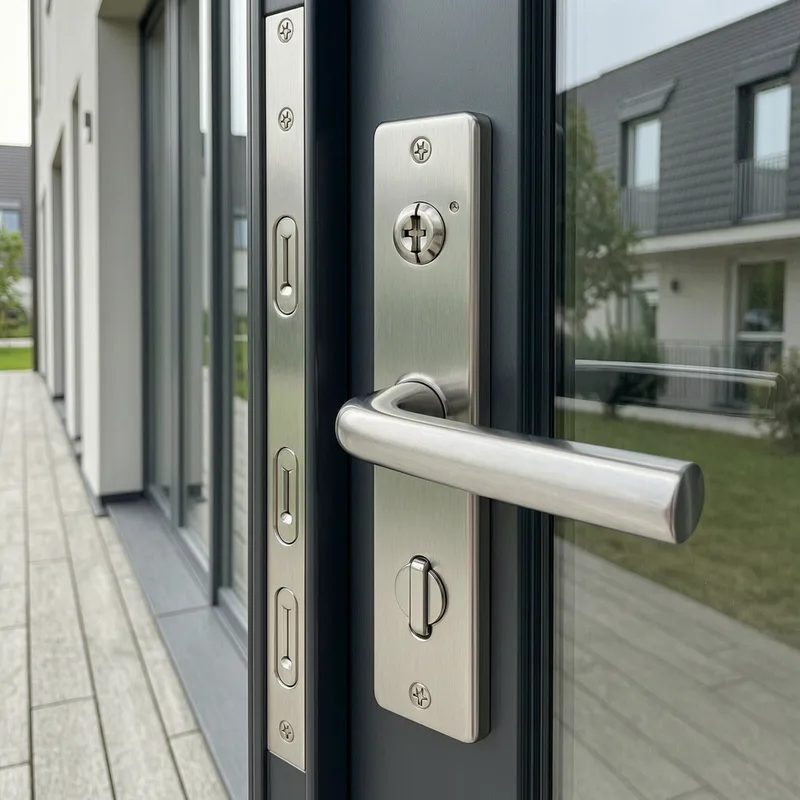
Getting locked out of your home or car in Germany can be stressful, especially if you're new to the country or unfamiliar with local procedures. Whether you've lost your keys, they're broken, or you're simply locked out mid-day, knowing the right steps to take—and who to contact—can save you time, money, and frustration. Germany has established standards and regulations for emergency locksmith services, and understanding these will help you navigate the situation calmly and affordably.
This guide walks English-speaking expats and international residents through the exact process: from immediate actions to take, choosing a licensed locksmith, understanding legal requirements, and avoiding common scams. We'll also cover typical costs you can expect in different German cities and what your rights are as a tenant or property owner.
Immediate Steps When You're Locked Out
The first thing to do is stay calm and assess your situation. If you're locked out of your apartment, check whether you have a spare key with a trusted neighbor, friend, or family member nearby. In Germany, many expats keep emergency spare keys with housemates or colleagues for exactly this reason. If a spare is available and accessible, this is always the fastest and cheapest solution.
Next, contact your landlord or property management company (Hausverwaltung). German landlords are often legally required to maintain access to rental properties and may have a master key or authorized locksmith on file. Check your rental contract and landlord information—the contact details are typically on your lease or rent statement. Many landlords can arrange emergency access within 1–2 hours during business hours, sometimes at no charge to the tenant.
If you rent and your landlord cannot help immediately, or if you own the property, you'll need to call a licensed emergency locksmith (Schlüsseldienst). Always ask for an estimate before work begins, and verify the locksmith's credentials and license number (Handwerkskammer registration). Legitimate locksmiths in Germany display their business registration and are transparent about pricing.
Finding and Choosing a Trustworthy Locksmith
In Germany, locksmiths must be registered with the local Chamber of Crafts (Handwerkskammer) to operate legally. When searching for an emergency locksmith, use trusted directories like the Handwerkskammer website for your state (Bundesland) or ask your local police non-emergency line for licensed recommendations. Google Maps and verified review platforms (like Trustpilot or Yelp Germany) can also help identify well-rated services, but always verify licensing independently.
Before you call, know the difference between a licensed craftsman (Handwerker mit Meister) and an unlicensed operator. Licensed locksmiths are bound by fair pricing standards and professional ethics; unlicensed services may charge exorbitant rates and provide poor quality work. When you call, clearly state you're locked out, provide your address, and ask for a written cost estimate before they arrive. Reputable locksmiths will always provide this without hesitation.
For English-speaking assistance, some larger German cities have international locksmith services or multilingual teams. If language is a barrier, ask a German-speaking colleague or contact your local integration center (Willkommenszentrum) for referrals. Many locksmiths are experienced with expat clients and can communicate in English or provide written estimates in simple language.
Understanding Lockout Costs in Germany
Lockout service costs in Germany vary by city, time of day, and complexity. A standard apartment lockout during business hours (typically 8 AM–5 PM) usually costs €80–€150 for the service call and simple lock opening. After-hours emergency calls (evenings, nights, weekends) incur surcharges of 50–100%, pushing costs to €150–€300 or more. If the lock must be drilled or replaced, expect additional material costs (€30–€200 depending on lock quality).
Major cities like Berlin, Munich, and Hamburg may charge slightly higher rates due to demand, while smaller towns and rural areas sometimes offer lower prices. Always request an itemized invoice showing the service fee, travel time, and materials separately. In Germany, locksmiths are required by law (Handwerksordnung) to provide transparent pricing and written documentation of work performed. Keep all receipts—you may need them for insurance claims or tax deductions if you're self-employed.
If you're renting, check your lease (Mietvertrag) to see who bears the cost of emergency lockout services. Some landlords cover these costs, especially if the lockout was due to a building-related issue. Document everything and discuss payment responsibility with your landlord afterward—you may be able to recover the cost.
Preventing Future Lockouts
Prevention is always better than emergency response. Consider installing a coded keypad lock, smart lock, or keybox in a secure location (if your landlord permits), so you or a trusted contact can access the property without a physical key. Many expats in Germany use digital locks or leave spare keys with reliable neighbors using a formal agreement. If you live in an apartment building, consider registering a spare key with your Hausverwaltung in a secure deposit—they often hold these at no cost for emergencies.
Additionally, create a backup plan: store a photo of your spare key in your phone, keep your landlord's 24-hour emergency contact number saved, and know the location of your nearest licensed locksmith. For car lockouts, some insurance policies (Kfz-Versicherung) include roadside assistance that covers locksmith costs. Review your coverage and save the emergency number provided by your insurer. These simple precautions can prevent the stress and expense of future lockouts.
Frequently Asked Questions
Yes, German landlords (Vermieter) have a legal duty to maintain reasonable access to rental properties. If you're locked out, contact your landlord immediately—they should assist or provide emergency access through a key holder or locksmith. Check your lease for the emergency contact procedure. If your landlord refuses to help and you pay rent on time, you may have grounds to pursue compensation for locksmith costs. Document all communication in writing (email is best).
Standard lockout service during business hours (8 AM–5 PM) costs €80–€150. After-hours calls (evenings, nights, weekends) add 50–100% surcharges, bringing costs to €150–€300 or more. If the lock must be drilled or replaced, add €30–€200 for materials. Always request a written estimate before work begins—it's a legal requirement in Germany. Major cities may charge 10–20% more than rural areas.
Ask for the locksmith's Handwerkskammer registration number and business license (Gewerbeanmeldung). You can verify this on the Chamber of Crafts website for your state (Bundesland). Licensed locksmiths display their credentials and provide written, itemized invoices. Avoid services that quote prices over the phone without seeing the lock or demand cash-only payment. Check Google reviews and ask neighbors for recommendations of trusted locksmiths they've used.
If you believe you've been overcharged, you have legal recourse in Germany. Request an itemized, written invoice and refuse to pay on the spot if the amount exceeds your agreed estimate. File a complaint (Beschwerde) with the local Chamber of Crafts (Handwerkskammer) and your city's consumer protection office (Verbraucherzentrale). You can also file a dispute with your bank or credit card company if you've already paid. Keep all documentation and photos of the work performed.
If you're self-employed or a freelancer (Freiberufler), emergency lockout costs may qualify as business expenses if they occur at a work location. Keep your receipt and document the business purpose. For private residences, lockout costs are generally not tax-deductible unless they're part of a broader home repair or renovation project. If you rent and your landlord reimbursed you, the reimbursement isn't taxable income. Consult your Steuerberater (tax advisor) for your specific situation.
English-speaking locksmiths available 24/7 across Germany.