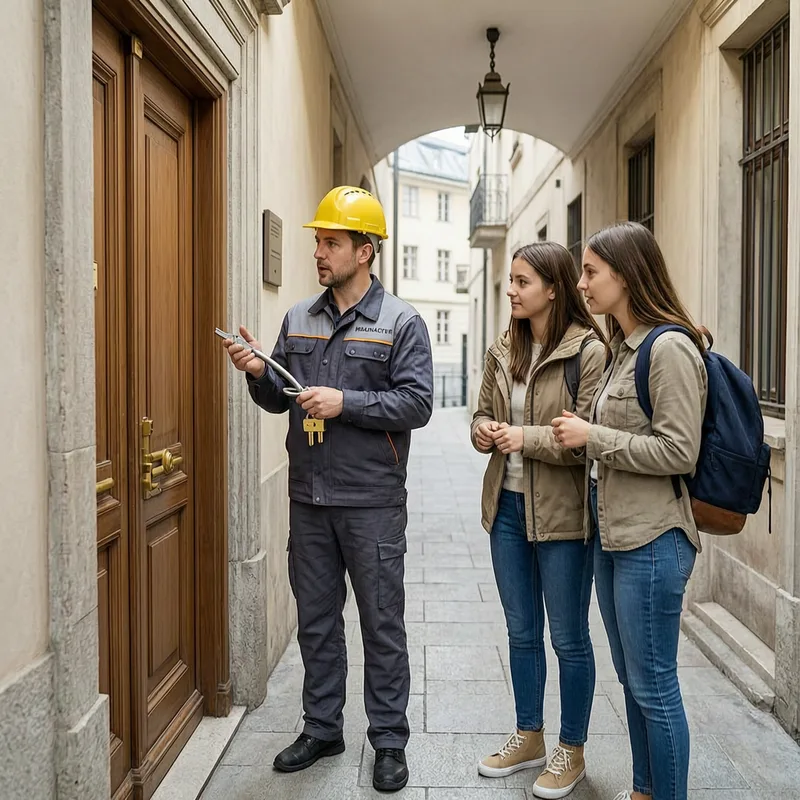
Moving to Germany as an expat brings exciting opportunities, but securing your home against burglary should be a priority. Germany has relatively low crime rates compared to many countries, but burglaries do occur—particularly in urban areas and during winter months when homes are vacant. Understanding local security standards and practical prevention measures will help you protect your property and enjoy peace of mind.
German security regulations are among the strictest in Europe, with established DIN standards for locks and door hardware. As an English-speaking expat, familiarizing yourself with these standards and German-specific security practices will ensure you make informed decisions about your home's protection. This guide covers everything from door and window security to working with local locksmiths and understanding your rental agreements.
Understanding German Lock and Security Standards
Germany follows strict DIN (Deutsches Institut für Normung) standards for locks, doors, and security hardware. The most important standard for residential locks is DIN 18251, which classifies lock grades from A to D based on security level. For apartments and homes, at least a Grade 2 lock is recommended, providing solid protection against forced entry. Many German landlords and property owners install Grade 3 locks for enhanced security. Understanding these grades helps you assess whether your current locks meet adequate protection levels.
German doors themselves must also meet specific standards. Most residential entry doors are built to DIN 18100 specifications, featuring reinforced frames and multi-point locking systems. When renting, check that your door meets current standards—older properties may have outdated hardware. The cylinder of your lock (the part where your key goes) should be certified to DIN 18252 for resistance against picking and drilling. Request a professional inspection from a certified locksmith (Schlosser) if you're uncertain about your door's security level.
Expats often overlook that German security standards are legally binding for rental properties. Your landlord has a legal obligation to provide locks that meet current DIN standards. If your locks are substandard, you can request upgrades in writing. Document any security concerns and keep records—this protects both you and your landlord. Many expats find that understanding these standards empowers them to make informed requests for security improvements.
Practical Home Security Measures for Expats
Beyond quality locks, layered security is essential for burglary prevention. Start with visible deterrents: ensure outdoor spaces are well-lit, trim bushes near windows, and consider security stickers or cameras. Burglars typically avoid homes that appear occupied or heavily protected. Use timer switches for lights when away, and ask neighbors to collect mail and packages. In German apartment buildings (Wohngebäude), check that entrance doors have proper security and intercoms. Many expats benefit from joining building security discussions—German residents often have valuable insights about neighborhood safety and coordinated security measures.
For windows, install window locks and security bars if permitted by your lease. Ground-floor and easily accessible windows are primary entry points. German-approved security films can reinforce glass, making forced entry more difficult and time-consuming. Consider additional measures like window sensors connected to alarms—modern wireless systems are renter-friendly and don't require permanent installation. Many expats appreciate that German hardware stores stock affordable window security options, and locksmiths can advise on which solutions comply with rental agreements.
Modern smart home security offers convenient options: wireless door sensors, smart locks, and monitored alarm systems are increasingly popular in Germany. However, verify that any modifications comply with your rental contract. Some landlords prohibit smart locks or require written permission. Always discuss modifications with your property manager before installation. German data protection laws (GDPR) also apply to security cameras—ensure any surveillance respects neighbors' privacy and follows legal guidelines. Contact a certified locksmith for professional recommendations tailored to your specific property.
Working with German Locksmiths and Professional Services
Hiring a certified German locksmith (Schlosser) is the best approach for security assessments and upgrades. Look for locksmiths certified by the German Locksmith Association (Verband der Schlüsseldienste) or those with credentials from recognized trade organizations. These professionals understand German security standards intimately and can conduct comprehensive security audits of your home. They'll assess your locks, doors, windows, and suggest improvements aligned with DIN standards and your budget. Many locksmiths in Germany offer English-language services in major cities, and our team can connect you with vetted professionals in your area—call 015161134271 for referrals.
Professional security services in Germany range from one-time consultations to 24/7 monitored alarm systems. Some insurance companies offer discounts for homes meeting specific security standards, so inquire whether security upgrades might reduce premiums. Document all security work completed—keep receipts and certificates, as this information is valuable when moving or filing insurance claims. German landlords appreciate tenants who invest in proper security, and documented improvements may support your deposit return and property condition assessments.
Insurance and Legal Considerations for Expats
Before purchasing home or renter's insurance in Germany, understand your insurer's security requirements. Many German insurance policies (Versicherung) require specific lock grades, functioning door frames, and proper window security. Failing to meet these requirements may void coverage for burglary claims. Review your policy carefully—expats sometimes overlook clauses about unattended properties or extended absences. Some insurers require notification if you'll be away for extended periods. Document your home's security measures and provide photographic evidence to your insurer if requested, ensuring your coverage remains valid.
Rental agreements in Germany often specify tenant responsibilities regarding security. Your Mietvertrag may require you to maintain locks in proper working condition and use them appropriately. Disputes can arise if a break-in occurs and your landlord claims inadequate security measures. Conversely, you have the right to request lock upgrades if security is deficient. If disagreements occur, consider mediation through a local tenant association (Mieterbund)—many cities offer English-speaking support for expats. Proper documentation of all security communications with your landlord protects both parties and ensures clear expectations.
Frequently Asked Questions
German DIN standards recommend at minimum a Grade 2 lock (DIN 18251) for residential properties. Grade 3 or Grade 4 locks provide enhanced security and are increasingly common in German apartments. If your apartment has a Grade 1 lock, request an upgrade from your landlord—they have a legal obligation to provide adequate security. A certified locksmith can assess your current lock grade and recommend appropriate upgrades.
Smart locks are permitted in many German rental properties, but you must obtain written permission from your landlord first. Review your rental agreement (Mietvertrag) and contact your landlord before installation. Some landlords require that you provide a traditional key option alongside smart access. Ensure any smart lock meets German security standards and complies with data protection regulations. A professional locksmith can advise on compliant options and proper installation.
Document the issue and contact your landlord in writing, requesting a security assessment. Under German law, landlords must provide locks meeting current DIN standards. If your landlord refuses necessary upgrades, you can contact a local tenant association (Mieterbund) for guidance. In some cases, you may be entitled to rent reduction until security is improved. Never attempt to replace locks yourself without permission—this may violate your rental agreement and create legal complications.
Yes, most German home insurance policies (Versicherung) require specific security standards to validate burglary coverage. Common requirements include Grade 2 or higher locks, functioning door frames, window locks, and proper securing of ground-floor access points. Your insurer may deny claims if these standards aren't met when a burglary occurs. Review your policy carefully and ask your insurer what security measures your coverage requires. Document compliance with photographs and receipts.
Look for locksmiths certified by German trade organizations or the Locksmith Association (Verband der Schlüsseldienste). In major German cities, many locksmiths speak English or provide translation services. You can call 015161134271 to receive referrals to vetted, certified locksmiths in your area who can communicate in English. Always verify credentials before hiring and request written quotes for any security work or upgrades.
English-speaking locksmiths available 24/7 across Germany.