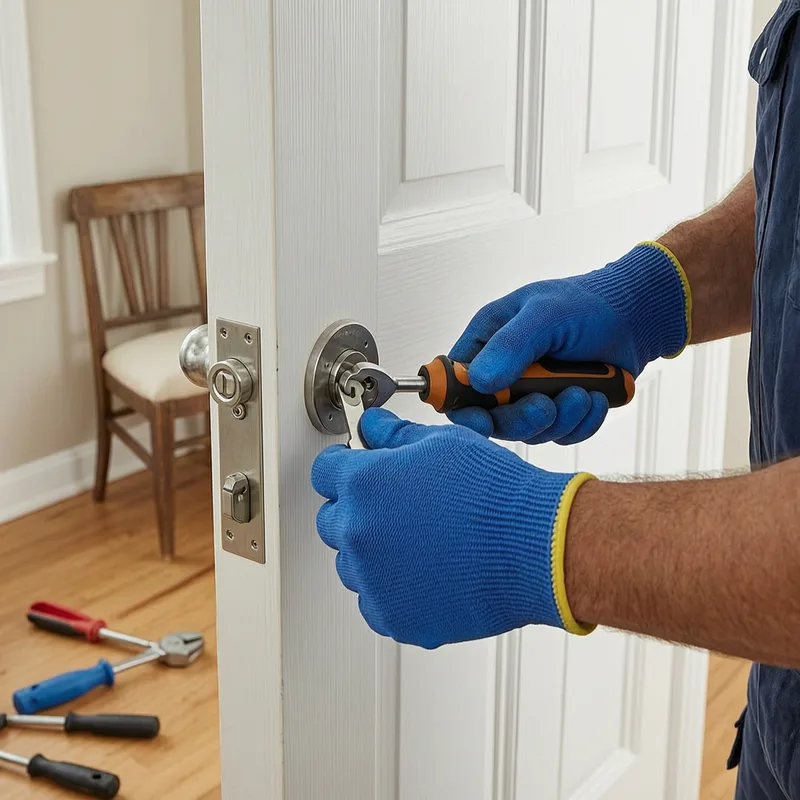
For English-speaking expats and international residents in Germany, securing your home involves understanding local building standards and security practices that may differ significantly from your home country. The garage door, often overlooked in home security discussions, represents one of the most vulnerable entry points to your property. Whether you own a single-family home in Berlin, a townhouse in Munich, or a modern apartment with an integrated garage in Frankfurt, understanding garage door security is essential to protecting your belongings and family.
German homeowners frequently focus on front door locks and window security while treating their garage doors as merely functional barriers. However, outdated openers, mechanical weaknesses, and poor maintenance create vulnerabilities that experienced burglars exploit. This guide explores the security gaps that most residents miss and provides practical, German-specific solutions to strengthen your garage door security.
Common Garage Door Security Vulnerabilities in Germany
Many German homes feature older garage door systems that predate modern security standards. Swing-out and slide-rail doors, common in traditional German properties, often lack robust locking mechanisms and can be forced open with minimal effort. Automatic openers—when present—may use outdated rolling-code technology that is susceptible to signal interception, though this vulnerability is less common in newer models installed after 2010.
The emergency release cord, a safety feature on virtually all automatic garage doors, presents a significant security weakness. This rope can be accessed by reaching through gaps in the door panels or above the door frame, allowing intruders to manually disengage the opener and lift the door by hand. Additionally, many homeowners fail to secure the pedestrian access door (the small side door used for foot traffic), which frequently has a simple pin lock that can be bypassed with basic tools.
Poor maintenance compounds these issues. Misaligned doors, worn rollers, and rusted tracks create gaps that make doors easier to pry open. In Germany's climate, moisture and temperature fluctuations accelerate deterioration. Regular inspection—particularly in spring after winter—is critical but often overlooked by busy expat households managing multiple responsibilities.
German Standards and Safety Regulations You Should Know
Germany enforces strict industrial standards for garage doors and automatic openers through DIN (Deutsches Institut für Normung) specifications. DIN EN 13241-1 establishes safety and performance requirements for industrial, commercial, and residential sectional doors. These standards mandate specific safety features including force-limiting devices, emergency manual operation, and proper installation procedures. Understanding these regulations helps you evaluate whether your current system meets current safety and security expectations.
When hiring a locksmith or technician to upgrade your garage door security, ensure they are certified by the Handwerkskammer (Chamber of Crafts) and familiar with DIN compliance. German insurance companies (Versicherungen) may require documentation that your garage door meets current standards, particularly if the door controls access to your home's main interior. Some insurers offer discounts for upgraded security systems, making compliance financially beneficial.
For renters in Germany, understanding your rights is crucial. The landlord (Vermieter) is typically responsible for maintaining garage doors in working condition, but security upgrades may require written permission (schriftliche Genehmigung). Expats should clarify these responsibilities in their rental agreement (Mietvertrag) to avoid disputes or unexpected costs.
Practical Security Upgrades for Your Garage Door
Install a manual deadbolt on the pedestrian access door to replace flimsy pin locks. German-standard deadbolts meet DIN 3322 specifications and provide reliable security. Additionally, consider installing a heavy-duty sliding bolt or bar across the interior of the main garage door, which prevents the door from being lifted even if the emergency release is engaged. These mechanical upgrades require no electricity and provide fail-safe protection.
For automatic openers, upgrade to a modern system using rolling-code technology (Wechselcode-Technik) that changes the access code after each use, preventing signal replay attacks. Secara, Hormann, and Nice are reputable brands widely available in Germany through certified installers. Install protective covers or barriers around the emergency release cord to make it inaccessible from outside. Motion-activated lighting around your garage entrance deters opportunistic intruders and improves visibility for legitimate residents.
Consider installing a security camera with motion detection (IP-Kamera mit Bewegungserkennung) positioned to monitor your garage entrance. German data protection laws (DSGVO) permit cameras for home security, but ensure cameras do not record neighboring properties. Digital access logs from modern openers help you track when your garage is accessed, providing valuable security intelligence.
When to Call a Professional Locksmith in Germany
Attempting major garage door repairs without proper training is dangerous and potentially invalidates your insurance coverage. If your door is misaligned, the opener makes unusual noises, or the emergency release mechanism is damaged, contact a certified locksmith immediately. In Germany, look for professionals certified by the Verband Deutscher Schlüsseldienste (VDS) or registered with your local Handwerkskammer. Always request a written quotation (Kostenvoranschlag) before work begins—this is a legal requirement for services exceeding €1,000.
For English-speaking expats unfamiliar with local services, contact locksmith-experts.de at 015161134271 for referrals to qualified professionals in your region. We connect you with multilingual technicians who understand both modern security standards and the specific challenges of older German properties. A professional assessment typically costs €50–€100 and provides peace of mind about your home's vulnerability to intrusion.
Frequently Asked Questions
The emergency release cord is a safety feature that allows manual operation of your garage door if power fails. However, it can be accessed by reaching through door panels or above the frame, allowing intruders to disengage the automatic opener and manually lift the door. Protect this cord by installing a cover or relocating it to a less accessible position. A professional locksmith can assess your specific door design and recommend the best protection method.
Most German homeowners insurance (Hausratversicherung) covers theft through any entry point, including garage doors, but claims may be denied if the door was improperly maintained or lacked standard security features. Some insurers require documentation that doors meet DIN standards. Check your policy (Versicherungsbedingungen) and discuss any security upgrades with your provider—you may qualify for premium reductions. Contact your Versicherungsagent (insurance agent) to clarify your coverage.
Inspect your garage door quarterly for signs of wear, misalignment, or damage. In Germany's climate, perform a thorough inspection in spring after winter to check for rust, moisture damage, and mechanical wear. Lubricate rollers and hinges annually with dry lubricants (Trockenschmierstoffe) that don't attract dirt. If you notice gaps, difficulty opening/closing, or unusual noises, contact a professional immediately. Regular maintenance prevents security vulnerabilities and extends door lifespan by 10–15 years.
Germany features three primary garage door types: sectional doors (Sectionaltore) with horizontal panels, swing-out doors (Schwingore) that pivot upward, and slide-rail doors (Schiebeore) that move horizontally. Sectional doors, popular in modern German homes, offer better security when equipped with modern locks and openers. Older swing-out and slide-rail doors are more vulnerable to forced entry. Your door type determines which security upgrades are appropriate—a locksmith can assess your specific design.
Yes. Modern openers using rolling-code technology (Wechselcode) comply with current DIN EN 13241-1 standards and offer significantly better security than older systems. Installation costs range from €800–€2,000 depending on your door type and whether structural modifications are needed. Check with your insurance provider (Versicherung) before upgrading, as they may require specific certifications. Always hire a certified technician registered with your local Handwerkskammer to ensure proper installation and compliance.
English-speaking locksmiths available 24/7 across Germany.