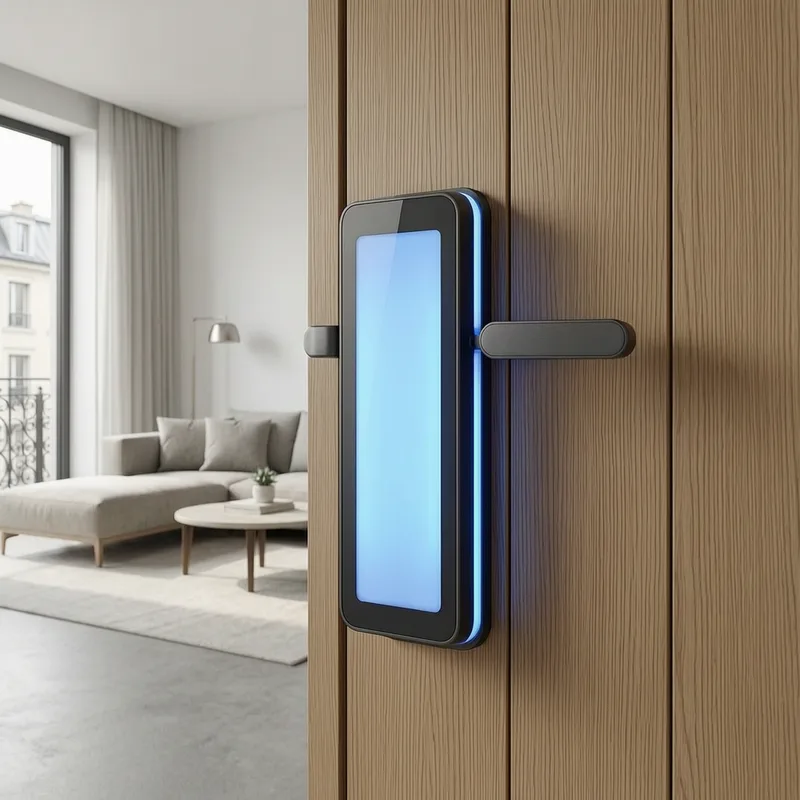
Moving to Germany as an expat means navigating unfamiliar insurance requirements—and your home insurance policy is no exception. German insurers (Hausratversicherung and Wohngebäudeversicherung) impose strict standards on door and window locks to approve claims and provide full coverage. These aren't arbitrary rules; they reflect Germany's commitment to security standards and risk reduction, codified in DIN (Deutsches Institut für Normung) specifications.
Whether you're renting in Berlin, buying a property in Munich, or settling in a smaller German city, understanding these lock requirements is crucial. Non-compliant locks could result in claim denial, reduced payouts, or gaps in your coverage—a costly surprise if burglary or theft occurs. This guide explains the DIN standards your insurer expects, common upgrade scenarios, and practical steps to ensure full protection.
DIN Standards and Insurance Coverage
German insurers reference DIN 18251, the national standard for locks and latches on external doors, and DIN EN 1627 for windows and building security levels. Most standard policies require at least DIN 18251 Class 2 (or equivalent EN 1627 RC 2) for external doors—a mid-level security specification that ensures locks resist forced entry for at least 3 minutes. Windows often fall under RC 1 (basic resistance) unless the property is in a high-risk area or has ground-floor access.
Your insurance company will specify exact requirements in the policy documents (Allgemeine Versicherungsbedingungen, or AVB). Some insurers accept older locks if they demonstrate comparable durability; others demand certification documentation. Renovated buildings, new apartment blocks, and modern furnished flats typically already meet these standards, but older properties may need upgrades.
The certification process is straightforward: manufacturers test locks under standardized conditions and issue DIN compliance certificates. Your locksmith can verify whether existing locks meet requirements or recommend certified replacements. Costs range from €80–€300 per lock, depending on the model and complexity of installation.
Common Insurance Gaps and Upgrade Scenarios
Many expats discover lock deficiencies only when filing a claim—a painful lesson. Common scenarios include old brass or aluminum locks installed before 1990, simple push-button mechanisms, or window locks that don't meet EN 1627 RC 1 standards. Rental apartments sometimes feature landlord-installed locks that aren't certified, leaving tenants uninsured. If a claim occurs with non-compliant locks, insurers may deny or reduce payouts by 30–50%, even if the lock didn't directly enable the theft.
Ground-floor apartments, properties near main streets, and homes in high-crime neighborhoods face stricter insurance requirements. Some insurers demand RC 2 for ground-floor windows or cylinder locks with anti-bump technology (DIN 18252). If you're upgrading, prioritize external doors first, then ground-floor and street-facing windows. Basement doors and fire-escape routes also require attention.
Renting presents a complication: you typically cannot modify locks without landlord approval. In such cases, request written confirmation that existing locks meet insurance standards, or ask the landlord to provide upgrades before you sign. Documentation is essential for claim validity. Homeowners have full flexibility and should budget €500–€2,000 for comprehensive lock upgrades across a typical apartment or house.
Steps to Verify and Comply with Requirements
Start by reviewing your insurance policy documents or contacting your insurer's customer service. Request a list of specific DIN/EN standards your policy requires and ask whether existing locks are acceptable. Many insurers provide online tools or send inspectors to assess properties before issuing policies. If you're in the process of obtaining insurance, mention current lock specifications to avoid mismatches later.
Next, hire a certified German locksmith (Schlüsseldienst) to inspect your locks and provide written recommendations. The locksmith can photograph locks, document current DIN ratings, and supply cost estimates for upgrades. Keep all documentation—photos, invoices, DIN certificates, and inspection reports—for your insurer and future claim evidence. Installation should be performed by a professional to ensure proper fit and certification validity.
For rental properties, request written confirmation from your landlord (Vermieter) that locks comply with your insurance requirements. If upgrades are needed, formally request them in writing (per WG—Wohnungsgebäudeversicherung standards), and document the landlord's response. Some landlords are obligated to maintain security standards; others may allow tenants to upgrade at their expense, with reversion to original locks upon move-out.
Working with Locksmiths and Professional Documentation
When hiring a locksmith for compliance work, always request a detailed invoice (Rechnung) specifying lock model, DIN/EN classification, and installation date. Reputable locksmiths in Germany display credentials (Handwerkskammer registration, liability insurance) and provide written warranties. Avoid cheap services—€20–€50 offers often indicate non-certified work or unreliable providers. Expect to pay €150–€400 for a single certified lock installation, including labor.
After installation, request DIN certificates or manufacturer documentation proving compliance. Photograph the locks and store receipts digitally and in hard copy. Notify your insurance company of upgrades—some insurers adjust premiums downward for enhanced security. In case of theft or burglary, provide this documentation immediately; it's your proof that you met policy conditions and your evidence for full claim payment. Professional documentation transforms compliance from an administrative chore into tangible insurance protection.
Frequently Asked Questions
Your insurer may deny or significantly reduce your claim payout—sometimes by 30–50% or more—citing non-compliance with policy conditions. In worst cases, the claim is rejected entirely. German courts generally uphold insurer decisions if the policy explicitly requires DIN certification. This is why verification before purchasing insurance is critical; it's difficult and expensive to dispute denials after a theft occurs.
No—you cannot modify locks without landlord permission. Instead, request written confirmation from your landlord (in German, email is acceptable) that existing locks meet your insurance requirements. If locks don't comply and the landlord refuses upgrades, you have two options: request a formal upgrade demand (Schreiben) and document it, or inform your insurer of the situation and request adjusted coverage terms. Some insurers will insure non-compliant rental properties at higher premiums or with liability limitations.
DIN 18251 is the older German standard, primarily for door locks, with classes 1–4 indicating security levels. EN 1627 is the newer European standard, used for windows and building security, with RC 1–RC 6 classifications (Resistance Class). Most German home insurance policies accept DIN 18251 Class 2 (roughly equivalent to EN RC 2) for external doors. Windows typically require RC 1 minimum. Your insurer will specify which standard applies to your property.
A single certified lock installation costs €150–€400, including labor and material. A complete upgrade for a typical apartment (front door, 3–4 windows) ranges from €500–€2,000. Costs depend on lock type, installation complexity, and regional labor rates. Request quotes from multiple locksmiths and always ask for DIN certification documentation. Some insurers offer discounts for upgrades, which can partially offset costs over time.
Yes, if they're DIN or EN certified. Many modern smart locks and electronic cylinders meet DIN 18251 or EN 1627 standards, but not all do. Always verify certification with the manufacturer or your locksmith before purchase. Some insurers may request additional documentation for electronic locks to confirm anti-tampering and backup mechanical security. Confirm acceptability with your insurer before installation to avoid future claim disputes.
English-speaking locksmiths available 24/7 across Germany.