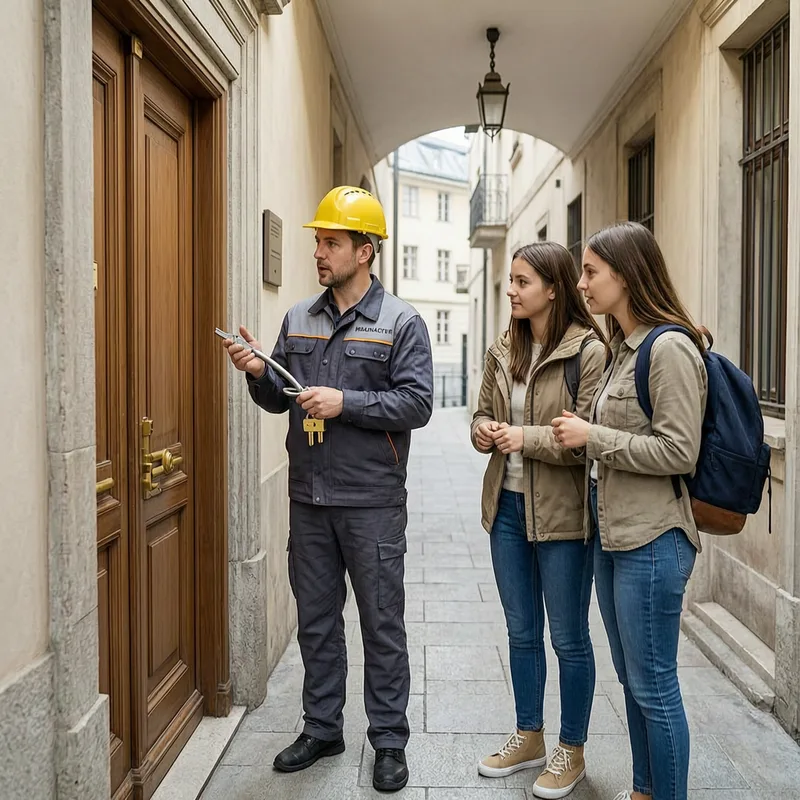
When English-speaking expats and international residents move to Germany, securing the home is a priority—but many overlook a critical vulnerability: the letterbox. Whether mounted on your apartment door, building entrance, or gate, letterboxes are frequently targeted by thieves seeking mail containing sensitive documents, financial information, and keys. In Germany, where mail theft and identity fraud are growing concerns, understanding letterbox security is essential.
This guide explores the specific risks German letterboxes face, German security standards (DIN EN 13724), and practical, cost-effective solutions you can implement immediately. Whether you rent or own, there are proven methods to harden your letterbox and reduce break-in risks—without requiring expensive professional installation.
Common Letterbox Vulnerabilities in Germany
Standard German letterboxes—particularly those complying with basic DIN standards—often lack sophisticated locking mechanisms. Many residential letterboxes use simple cam locks or spring-loaded covers that can be forced open in seconds with basic tools. Thieves specifically target mailboxes to steal bank statements, credit cards, tax documents, and importantly, residential keys that might be posted by service providers or delivery companies.
Apartment buildings in Germany frequently feature communal letterbox banks (Briefkastenanlage) with individual compartments. These shared systems present additional risks: poor maintenance, multiple copies of master keys, and limited oversight mean compromised security across all residents. Additionally, ground-floor and exterior letterboxes are more vulnerable to forced entry than those inside secured building lobbies.
Weather exposure and heavy use also degrade German letterbox materials over time. Corroded locks, broken hinges, and worn seals create gaps that experienced thieves exploit. Many expats inherit these aging systems when moving into rental apartments and may not realize the security risks they present.
German Security Standards & Legal Requirements
Germany's DIN EN 13724 standard defines security requirements for mailboxes, specifying resistance to forced entry and weather protection. However, compliance is voluntary for residential properties, and many older German letterboxes predate these standards entirely. Understanding what constitutes adequate security under German law helps you make informed upgrades.
The German Insurance Association (Gesamtverband der Deutschen Versicherungswirtschaft, GDV) recommends that secured mailboxes meet RC2 (Resistance Class 2) standards—a benchmark insurers recognize when assessing burglary claims. Your homeowner or renter's insurance may have specific requirements regarding letterbox security; checking your policy is crucial before investing in upgrades.
Renters in Germany should note that modifying building fixtures, including shared letterboxes, typically requires landlord (Vermieter) approval. This legal consideration means you must balance security improvements with lease restrictions. Many landlords appreciate security upgrades, especially if they reduce liability risk, but written permission is essential before implementing changes.
Practical Security Solutions for German Letterboxes
The most effective immediate solution is upgrading to a high-security German letterbox model. Brands like Burg-Wächter, Renz, and Allux manufacture letterboxes specifically designed to resist forced entry while meeting German standards. These models feature reinforced steel bodies, multi-point locking systems, and hardened cylinders. Installation typically costs €150–€400 depending on model and labor, and renters can often remove and reinstall the original before moving.
For renters unable to replace communal letterboxes, a personal lockable mailbox mounted on your apartment door provides controlled access. Alternatively, installing a mail delivery box (Paketzustellbox) designed for package delivery also accepts standard mail and requires a key to open. Germany's major delivery services (DHL, Hermes, DPD) recognize these as secure alternatives.
Additional hardening measures include installing a letterbox protector (a metal cage or bracket that prevents prying), adding a motion-sensor light above the letterbox to deter thieves, and registering with German mail services (Deutsche Post) to request secure handling of sensitive documents. Some financial institutions offer address forwarding or can suppress physical statements in favor of online banking—an often-overlooked option for expats.
What to Do If Your Letterbox Is Compromised
If you discover your letterbox has been forced open or mail is missing, document the incident with photos and file a report (Anzeige) at your local German police station (Polizeistation). Provide a detailed list of missing mail to help investigators assess whether identity theft or financial fraud occurred. Notify your bank, insurance company, and any critical service providers immediately.
Contact Deutsche Post directly to investigate whether mail was intercepted during handling. The postal service maintains records of delivery attempts and can sometimes identify when mail went missing. Finally, freeze your credit and monitor your accounts closely over the following months. German credit monitoring services (Schufa) allow you to place alerts on your file—a wise precaution for expats vulnerable to targeted fraud.
Frequently Asked Questions
DIN EN 13724 is a voluntary standard in Germany for residential properties. However, insurance companies and the GDV (German Insurance Association) recommend RC2 compliance for better coverage. Check your lease and insurance policy—landlords may be required to maintain adequate security, or your policy may exclude claims if your letterbox didn't meet minimum standards.
No. In Germany, communal letterboxes or those mounted on building exteriors are typically considered part of the building's infrastructure. Written permission (schriftliche Zustimmung) from your landlord is required before replacing or modifying them. However, most landlords appreciate security upgrades. Personal lockable boxes mounted inside your apartment door usually don't require permission.
High-quality German letterbox models (Burg-Wächter, Renz, Allux) cost €100–€300 depending on materials and lock complexity. Professional installation adds €50–€150 in labor. If you're renting, a portable lockable mailbox (€40–€120) offers a budget-friendly alternative that you can take when you move.
File a police report (Anzeige) at your local Polizeistation with a detailed list of missing mail. Contact Deutsche Post to investigate whether the mail disappeared during delivery. Notify your bank and insurance immediately, and consider placing a credit freeze or alert with Schufa, Germany's credit reporting agency. Document the break-in with photos for your insurance claim.
Yes. Installing a personal lockable mailbox on your apartment door (without modifying shared building infrastructure) is usually permitted without landlord approval, though checking your lease is wise. Deutsche Post and other delivery services recognize these boxes as legitimate mail delivery points. This is an ideal solution for renters seeking better security without major renovations.
English-speaking locksmiths available 24/7 across Germany.