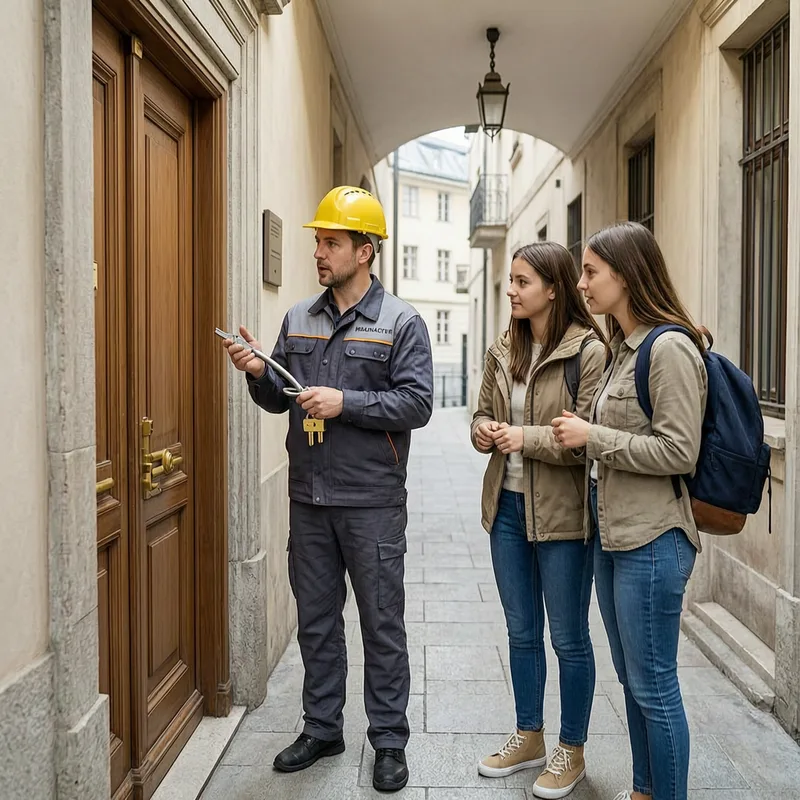
Losing your keys in Germany can be stressful, especially if you're an expat unfamiliar with local procedures and emergency services. Whether you've misplaced your apartment keys, car keys, or office access cards, knowing the right steps to take will help you regain access quickly and avoid unnecessary complications. This guide walks you through everything you need to know about handling lost keys in Germany, from immediate actions to long-term solutions.
As an English-speaking resident or visitor in Germany, you may feel uncertain about whom to contact or what your legal rights are. German locksmiths are highly regulated professionals, and understanding how the system works will help you avoid overpaying for emergency services and ensure the work is done to DIN standards (German industrial norms). Let's explore your options step by step.
Immediate Actions When You Realize Your Keys Are Lost
The first thing to do when you discover your keys are missing is to retrace your steps mentally and physically. Think about where you last used them—at home, work, a café, or public transport. Check your bag, pockets, and the locations where you typically place them. If you're in a public place, contact the lost and found service or reception immediately. German efficiency means many establishments keep lost items for a reasonable period, so there's a genuine chance your keys might be recovered.
Next, assess what keys you've lost. Is it just your apartment key, or do you also have car keys, office keys, or building access cards? Make a mental inventory because this will affect your next steps and the cost of replacement. If you have a spare key at home or with a trusted friend, retrieve it immediately—this is the fastest and cheapest solution. However, if you don't have a spare and can't access your home, you'll need to call a locksmith.
Before calling anyone, check your rental agreement or homeowner's insurance policy. Some policies cover locksmith costs for emergencies, particularly if you're locked out without access to your home. Additionally, if you rent, contact your landlord or property management company first—they may have a master key or a preferred locksmith they work with regularly, which could save you money and ensure the work complies with your lease terms.
Finding a Reliable Locksmith in Germany
When you need a locksmith in Germany, it's crucial to find one that is properly registered and certified. Look for locksmiths who are members of Handwerkskammern (chambers of crafts) and hold the Meisterbescheinigung (master craftsman certificate). You can verify this by asking for their credentials or checking with the local chamber. Avoid unlicensed individuals offering services at suspiciously low prices—they may damage your lock or charge hidden fees later.
Get multiple quotes before committing. Call at least two or three locksmiths and ask about their hourly rates, emergency surcharges, and whether they charge for the consultation visit. German locksmiths typically charge €80–150 for emergency callouts plus labor and materials. Night and weekend surcharges can add 25–100% to the base price. Always ask for a written estimate before work begins and ensure the locksmith provides an invoice afterward—this is important for insurance claims and verifying fair pricing.
Use trusted platforms to find locksmiths: ask your landlord for recommendations, check online reviews on Google Maps or local German platforms, or contact your local police non-emergency number (110) for referrals. In Berlin, Munich, and other major cities, many locksmiths have English-speaking staff. When calling, clearly explain your situation, your address, and the type of lock you have. Be prepared to provide proof of residency, such as your residence registration or rental agreement, as legitimate locksmiths will verify you live there.
Legal Considerations and Rights as an Expat
In Germany, a locksmith has the legal right to open your lock without your written permission only if you can prove residency. You'll typically need to show your Anmeldung (residence registration) or a rental contract matching the address. This protects against theft and unauthorized entry. If you're renting, your landlord can authorize the locksmith to enter even if you're not present—contact them immediately to arrange this. For security reasons, some locksmiths will refuse to open a lock without the owner's physical presence, so be prepared to meet them on-site.
Regarding costs: if you're renting, check your lease agreement to see who bears the cost of emergency locksmith services. Most German rental agreements state that tenants pay for lost key replacement, though some landlords cover the costs if you had a spare key that you provided to them. If there's a dispute about costs, Mietervereine (tenant associations) offer legal advice to renters for a small membership fee. For homeowners, locksmith costs are a personal expense unless covered by household insurance. Always request and keep invoices for potential insurance claims or tax deductions.
Preventing Future Key Loss
Prevention is always better than dealing with lockouts and emergency services. Consider giving a spare key to a trusted friend or family member who lives nearby—this is the most reliable backup. Keep another spare in a secure location at home, such as a locked drawer or safe. German hardware stores like OBI, Baumarkt, and Hornbach offer affordable key-cutting services; a spare key typically costs €1–3. Create copies of important keys (apartment, office, car) as soon as you move to Germany or acquire new locks.
Modern solutions include smart locks with keypad entry, biometric access, or smartphone control. Brands like Nuki and Yale are popular in Germany and offer convenience alongside traditional locks. If you travel frequently or worry about losing keys, invest in a small GPS tracker (Tracker-Schlüsselfinder) that attaches to your keychain and connects to your phone—German retailers sell these for €15–50. Finally, develop a consistent habit of placing keys in the same location every time you enter your home, and do a quick mental check before leaving any location to ensure you have them.
Frequently Asked Questions
Emergency locksmith costs in Germany typically range from €80–250 depending on the time of day, location, and lock complexity. Base callout fees are usually €80–150, with additional charges for labor (€50–100+ per hour) and materials. Night, weekend, and holiday surcharges can add 25–100% to the base price. Always request a written quote before work begins.
Yes. Legitimate German locksmiths will ask for proof of residency, such as your Anmeldung (residence registration) or rental agreement. This legal requirement protects against theft and unauthorized entry. If you cannot provide proof, you may need your landlord to authorize the locksmith to proceed.
Yes. If you're renting, check your lease to see who bears locksmith costs. Your Mieterverein (tenant association) offers legal advice on disputes and typically costs only €5–10 per month to join. They can help negotiate fair pricing or challenge unreasonable charges. Contact your local Mieterverein for guidance.
For lost car keys, contact your vehicle dealership or a specialized automotive locksmith first—they can reprogram new keys to your car's security system. Regular locksmiths cannot handle modern car keys with electronic components. Expect costs of €150–400+ depending on your vehicle. Check your car insurance policy, as some policies cover locksmith costs for emergencies.
Create spare keys immediately (€1–3 each at hardware stores) and give one to a trusted friend. Keep another in a secure home location. Consider smart locks or GPS key trackers (€15–50) for added security. Develop a consistent habit of placing keys in the same spot and double-check before leaving any location. These steps significantly reduce the likelihood of future lockouts.
English-speaking locksmiths available 24/7 across Germany.