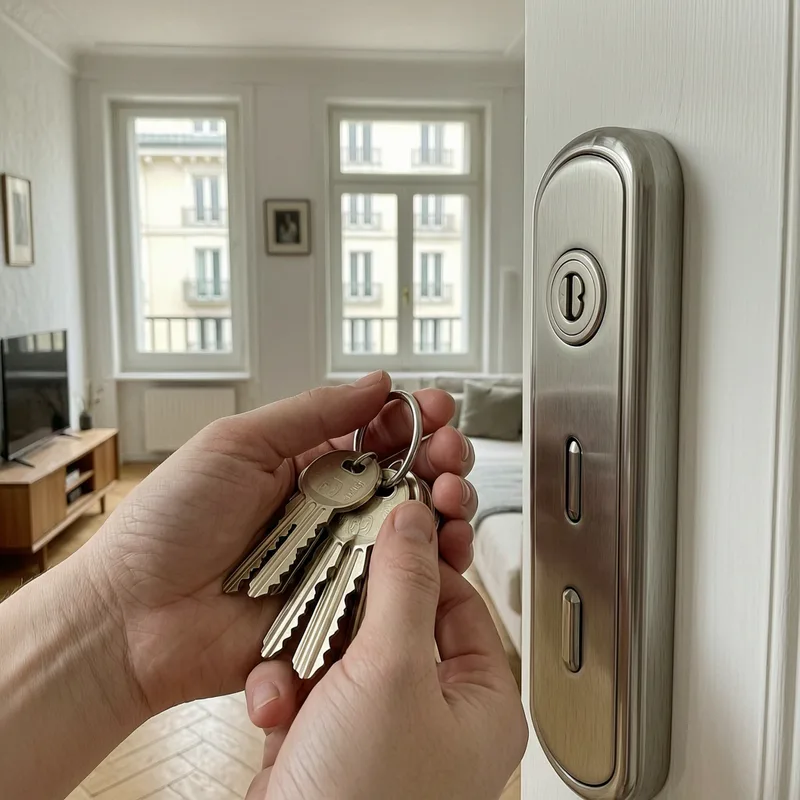
If you're renting an apartment or buying a home in Germany, you'll quickly encounter the term Profilzylinder. This standardized lock cylinder is the backbone of residential and commercial security throughout the country, and understanding it is essential for any English-speaking expat navigating German property law and home security.
Unlike countries with diverse locking systems, Germany has largely standardized on the Profilzylinder—a pin tumbler cylinder that meets strict DIN (Deutsches Institut für Normung) standards. This article explains what a Profilzylinder is, why Germany adopted this standard, and what you need to know to protect your home.
What Is a Profilzylinder?
A Profilzylinder is a cylindrical lock mechanism that uses a unique key profile to open and close doors. The term literally means "profile cylinder" in German, referring to the distinctive shape of the key. Inside the cylinder are spring-loaded pins at varying heights; only the correct key aligns all pins precisely, allowing the cylinder to turn and unlock the door.
The Profilzylinder is installed into door locks, mortise locks, and padlocks throughout Germany. It's the removable component that actually turns when you insert your key, making it the critical security point in any German door. Most residential properties use DIN 18252 standard cylinders, which ensure compatibility across manufacturers and security levels.
The cylinder typically extends slightly from both sides of the door—one side for the interior knob or handle, the other for the exterior. This design allows homeowners to key-manage access easily and enables locksmiths to service, replace, or upgrade security without replacing the entire lock mechanism.
DIN Standards and German Lock Specifications
DIN 18252 is the primary standard governing Profilzylinder dimensions and performance in Germany. This standard ensures that cylinders from different manufacturers—Abus, Assa Abloy, BKS, or others—are physically and functionally compatible. The standard specifies barrel length, pin count, material requirements, and security ratings, creating a regulated market where quality is measurable and enforced.
German locks are categorized by security class. Standard residential cylinders might be Class A or B, while high-security versions can reach Class D or higher. The classification indicates pick resistance, bump resistance, and materials used. When renting or owning property in Germany, knowing your cylinder's classification helps you understand your security level and whether upgrades are necessary.
This standardization is a major advantage for security in Germany. Locksmiths stock compatible parts, prices remain competitive, and property owners can easily upgrade security without replacing door frames or handles. If your Profilzylinder fails or you lose keys, replacement is straightforward and affordable.
Profilzylinder vs. Other Lock Types
The Profilzylinder differs from wafer locks, lever locks, and electronic systems. Wafer locks (common in cheap padlocks and filing cabinets) use flat wafers instead of round pins and are less secure. Lever locks (found in some older European buildings) use levers that rotate individually—they're simpler but less pick-resistant. Electronic locks and smart locks are increasingly popular but operate independently; most high-security German doors still use mechanical Profilzylinder as their primary backup.
In Germany, the Profilzylinder's dominance reflects both tradition and practical advantages. It's reliable, repairable, doesn't require batteries, and meets strict security standards. Many expats are surprised to learn that renting an apartment in Germany means accepting whatever Profilzylinder the landlord installed—you typically cannot alter the lock without permission, though you can request upgrades for security reasons.
Upgrading Your Profilzylinder for Better Security
If your rental or owned property has a lower-security Profilzylinder, upgrading is possible and often recommended. Ask your landlord (for rentals) or contact a certified German locksmith to assess your cylinder's class and recommend an upgrade. Switching from a Class A to a Class C or D cylinder typically costs €40–120 per lock and takes 30 minutes.
High-security Profilzylinder include anti-pick pins, tougher materials, and restricted key blanks. Brands like Abus Bravus, Assa Abloy Mul-T-Lock, and BKS Janus are respected in Germany for durability and security. If you need professional guidance, our team at locksmith-experts.de can recommend appropriate upgrades and certified installers. Call us at 015161134271 for consultation.
Frequently Asked Questions
No. In rental properties, the lock is typically the landlord's property. However, German tenant law (BGB) allows you to request security upgrades, and many landlords approve improvements. Some tenants use temporary cylinders or removable locks, but these are not permanent solutions. Always ask permission first to avoid disputes at lease end.
DIN 18252 is the most common German standard for residential and commercial use. Other standards exist (such as DIN 18250 for mortise locks), but DIN 18252 cylinders are the industry baseline. When replacing a cylinder, specifying DIN 18252 ensures compatibility with your existing lock hardware.
A quality Profilzylinder lasts 10–20 years with normal use. Replace it sooner if the key sticks, the cylinder is damaged, you lose keys, or you move to a new property. If you rent and move, your landlord may rekey or replace the cylinder for the next tenant, so don't worry about long-term wear.
Quality Profilzylinder (Class C or higher) are very secure against picking, bumping, and drilling. However, no lock is 100% burglar-proof. Combine a good Profilzylinder with solid doors, frames, and sensible habits (locking up, not advertising absences) for comprehensive home security. Class D cylinders offer maximum protection for valuable properties.
Contact a certified locksmith immediately (call 015161134271). They can open your door without damage and provide options: rekey the existing cylinder to a new key, or replace it entirely. If you've lost a rental property key, notify your landlord first. The cost typically ranges from €50–150 depending on the solution chosen.
English-speaking locksmiths available 24/7 across Germany.