Moving to a new home in Germany is exciting, but it's crucial to assess the security of your property before committing financially. Whether you're renting an apartment in Berlin, buying a house in Munich, or settling anywhere in between, understanding what security features are standard and required will help you make an informed decision. As an English-speaking expat, you may not be familiar with German building codes and security expectations—this guide walks you through everything you need to check.
A thorough security assessment protects you from break-ins, ensures compliance with German rental and building regulations (DIN standards), and gives you peace of mind in your new environment. This checklist covers locks, doors, windows, alarm systems, and neighbourhood safety factors that every property viewer should evaluate.
Check All Entry Doors and Locks
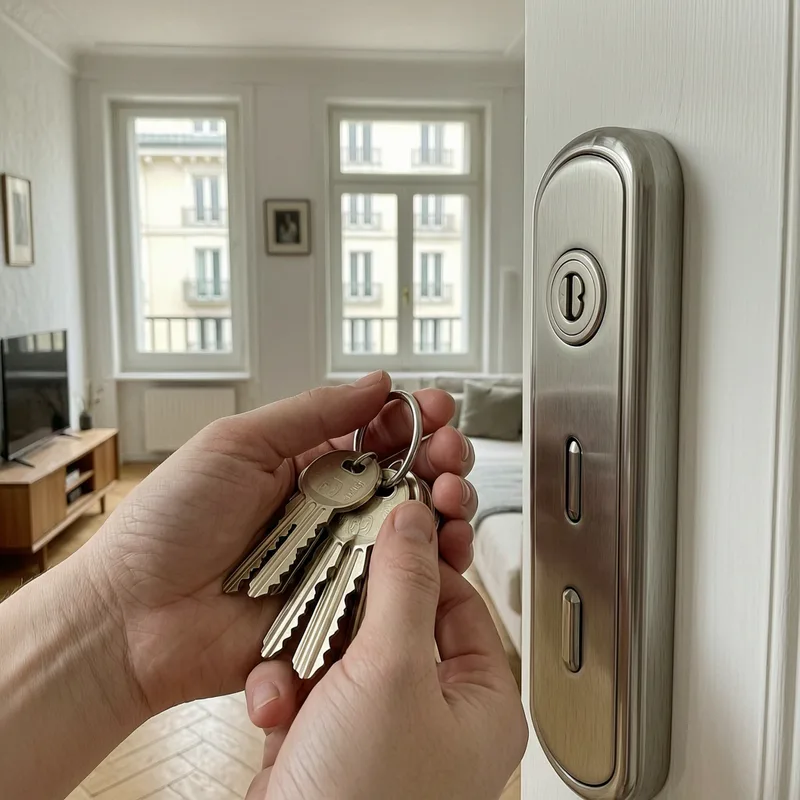
Entry doors are your first line of defence against unauthorised access. In Germany, landlords are legally required to provide doors with secure locks that meet DIN standards. During your viewing, examine the main entry door closely: look for solid wood or steel construction, and check that it's properly aligned in the frame with no gaps that could allow forced entry.
Test the lock mechanism by turning the key smoothly—it should engage without jamming or excessive resistance. German properties typically feature DIN-compliant cylinder locks (5-pin or higher security), often marked with a certification symbol. Ask the landlord or estate agent whether the lock meets current DIN standards and how old it is. Keys older than 10 years may need replacing for security and insurance purposes.
Don't forget to inspect locks on back doors, basement access, or garden doors. If any lock appears worn, corroded, or damaged, request replacement before moving in. Document the condition in writing as part of your rental agreement or purchase inspection report.
Inspect Windows and Window Locks
Window security is essential in German apartments and houses, especially on ground floors and in urban areas. Check every window for intact glass, proper sealing, and functional locks. Standard German windows feature handle locks (Fenstergriffe mit Sperrmechanismus) that you twist to secure—test each one to ensure they lock and unlock smoothly without forcing.
Look for window grilles or bars (Gitter) on ground-floor windows, particularly in basement areas or rooms facing alleys. While not always present, they're common in city centres and can be a significant security feature. Examine the frame itself for signs of damage, rot, or poor installation that could compromise security. Modern German windows (often aluminium or PVC with thermal insulation) should have multi-point locking systems on each side.
If windows appear older or insecure, ask whether the landlord will upgrade them—this is a reasonable request in rental agreements and may be a negotiating point. In some regions, improved window locks or grilles can be required by your insurance company.
Assess Entry Lighting and Visibility
Adequate lighting around entry points deters burglars and improves safety for you and guests. During your viewing, check whether the entrance area—including stairs, hallways, and the front door—has working lights. Ask whether lights are on a timer, motion sensor, or manual switch, and confirm they function. In German apartment buildings, common areas must meet minimum lighting standards.
Evaluate visibility from the street: can you see the entrance clearly without overgrown plants or architectural obstacles blocking the view? Poor visibility can attract unwanted attention. Check whether windows in entry areas are frosted or have curtains to prevent outsiders from seeing inside and identifying when the property is unoccupied. Many German properties use roller shutters (Rollläden)—test them to ensure they work smoothly and can be locked.
Ask About Alarm Systems and Building Security
Modern German residential buildings often feature alarm systems (Alarmanlagen) or smart security features. Ask whether the property includes an existing alarm, who maintains it, and what costs apply. If none exists, inquire whether you're permitted to install one—rental agreements sometimes restrict this. Check whether the building has an intercom system (Gegensprechanlage) that allows you to verify visitors before buzzering them in.
In multi-unit buildings, ask about building management (Hausverwaltung) security protocols, visitor entry procedures, and package delivery policies. Some buildings employ security cameras in common areas (permitted under German data protection law, DSGVO). Understand the neighbourhood safety: ask your agent or landlord about local crime statistics, whether the area feels secure during day and night, and whether residents report any recent incidents. Trust your instincts—if a neighbourhood feels unsafe, it's worth reconsidering.
Frequently Asked Questions
German residential locks should comply with DIN 18251 or higher security standards. Most modern landlord-installed locks are DIN-certified and rated as grade 2 or 3. Check the lock cylinder for the DIN marking or ask your landlord for certification documentation. If a lock is unmarked or very old (pre-2010), request an upgrade before moving in.
Yes, roller shutters (Rollläden) are very common in German properties, especially in apartment buildings and older homes. They provide security, privacy, and thermal insulation. During viewing, test all roller shutters to ensure they open and close smoothly, and ask about maintenance responsibilities. If they're included, confirm who repairs them if they jam or break.
This depends on your rental agreement and landlord permission. German tenant law generally allows you to install non-permanent security measures like indoor alarm systems or wireless cameras, but permanent fixtures may require written consent. Security cameras in multi-unit buildings must comply with DSGVO (data protection) regulations. Always ask your landlord before installing anything.
Document the security issues in writing and request repairs or upgrades as a condition of signing the lease or purchase. German landlords are required to maintain properties in safe, habitable condition. If locks are broken or windows don't seal properly, this is a legitimate maintenance issue. Make repairs part of your signed inspection report (Übergabeprotokoll) to protect yourself legally.
Ask your estate agent, landlord, or other residents about local crime rates and neighbourhood characteristics. Visit the area at different times of day and evening to assess lighting and foot traffic. Check online crime maps and community forums for your city. Contact your local police (Polizei) office for neighbourhood safety information. Many German cities publish public crime statistics by district on municipal websites.
English-speaking locksmiths available 24/7 across Germany.