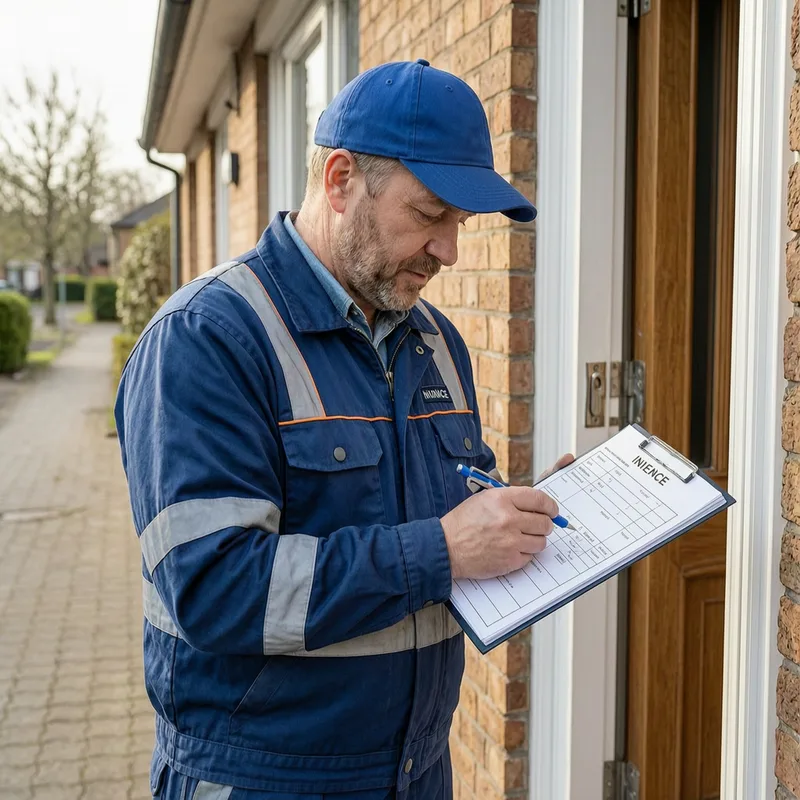
As an English-speaking expat renting an apartment in Germany, protecting your Kaution (rental deposit) should be a priority. One area that frequently causes disputes between tenants and landlords is lock damage—or disputes about whether damage actually occurred. Since locks are integral security fixtures that landlords must maintain in working order, understanding the rules around lock liability can save you hundreds of euros when you move out.
German rental law (Mietrecht) is tenant-friendly in many ways, but landlords have clear rights regarding property maintenance and wear-and-tear deductions. Lock damage sits in a gray zone: sometimes it's the tenant's fault, sometimes normal wear and tear, and sometimes the landlord's responsibility to maintain or replace. This guide walks you through the legal framework, practical prevention strategies, and what to do if a dispute arises.
German Rental Law and Lock Responsibility
Under German Mietrecht (tenant law), landlords must provide a rental property in a verkehrsüblicher Zustand—a condition fit for normal use. This includes functional locks on all entry doors and windows. The landlord is responsible for ensuring locks meet basic security and functionality standards when you move in, typically complying with DIN EN 1627 standards for residential properties.
When you sign your lease, the lock situation should be documented in writing. If locks are damaged at move-in, photograph them and report the issue to your landlord immediately in writing (via email is acceptable). Many disputes arise because tenants assume they can simply call a locksmith to fix a broken lock; however, unless the lock damage is an emergency (break-in, complete malfunction making the apartment inaccessible), you should inform your landlord first and request they arrange and pay for repairs.
Your responsibility as a tenant is to use locks carefully and not cause deliberate or negligent damage. Normal wear and tear—a lock becoming slightly stiff after years of use, for example—is the landlord's responsibility to maintain and replace. However, if you cause damage through carelessness (forcing a stuck lock, breaking a key off inside, or physical damage from impact), the landlord may legally deduct repair or replacement costs from your Kaution.
What Counts as Lock Damage vs. Normal Wear
Normal wear and tear on locks includes minor stiffness, slight discoloration, and very gradual mechanism wear. German courts have ruled that locks lasting 5–10 years (depending on type and use) represent normal wear. If a lock simply stops functioning after this period without evidence of abuse, the landlord typically cannot deduct replacement costs from your deposit.
Damage you may be liable for includes: a broken or missing key that you caused to break by forcing a jammed lock; locks deliberately forced or pried open; locks damaged by impact (a door slammed so hard the frame and lock were damaged); or locks deliberately disassembled. If you break a key, inform your landlord immediately and offer to pay for a locksmith to extract it and rekey the lock—do not attempt amateur extraction, which often causes more damage.
A helpful principle: if the damage is visible, sudden, and tied to a specific incident or your negligence, you are likely liable. If it's gradual degradation or a lock that simply reaches end-of-life, it's the landlord's responsibility. Documentation is crucial. Take photos at move-in and move-out showing the lock condition, and request your landlord do the same during the final walkthrough (Wohnungsübergabe). In disputes, these photos are often decisive.
Protecting Your Deposit: Practical Prevention
The best strategy is preventive care. Treat locks gently: use keys smoothly without forcing them, avoid slamming doors forcefully, and keep locks clean and dry. If a lock feels stiff, apply a small amount of graphite powder (Graphitpulver)—never use oil-based lubricants, which can attract dust and damage the mechanism. Report any lock problems to your landlord immediately, even if minor.
At move-in, document lock condition: photograph all locks and their keys from multiple angles, showing any wear or damage. Prepare a written Übergabeprotokoll (handover report) noting lock condition. If your landlord won't document this formally, send an email summarizing what you observed and what locks you received keys for. Keep all original keys and have them available at move-out. If you lose a key, inform your landlord promptly; replacing one lost key typically costs €40–80, and you may be liable if you caused the loss through negligence.
Disputing a Lock Damage Deduction
If your landlord deducts lock repair or replacement costs from your Kaution and you believe it's unjustified, first review your lease and the damage documentation. Send your landlord a formal written response (Einspruch) within two weeks, explaining why you dispute the deduction. Reference your move-in documentation and argue whether the damage represents normal wear or was pre-existing.
If the landlord refuses to resolve the dispute, consult a Mietverein (tenant advocacy organization) or Rechtsanwalt spezialisiert auf Mietrecht (tenant law attorney). Many tenant associations offer free or low-cost consultations for English-speaking members. German courts generally require landlords to prove damage was caused by the tenant and to provide itemized repair invoices—vague deductions often fail in disputes.
Frequently Asked Questions
English-speaking locksmiths available 24/7 across Germany.