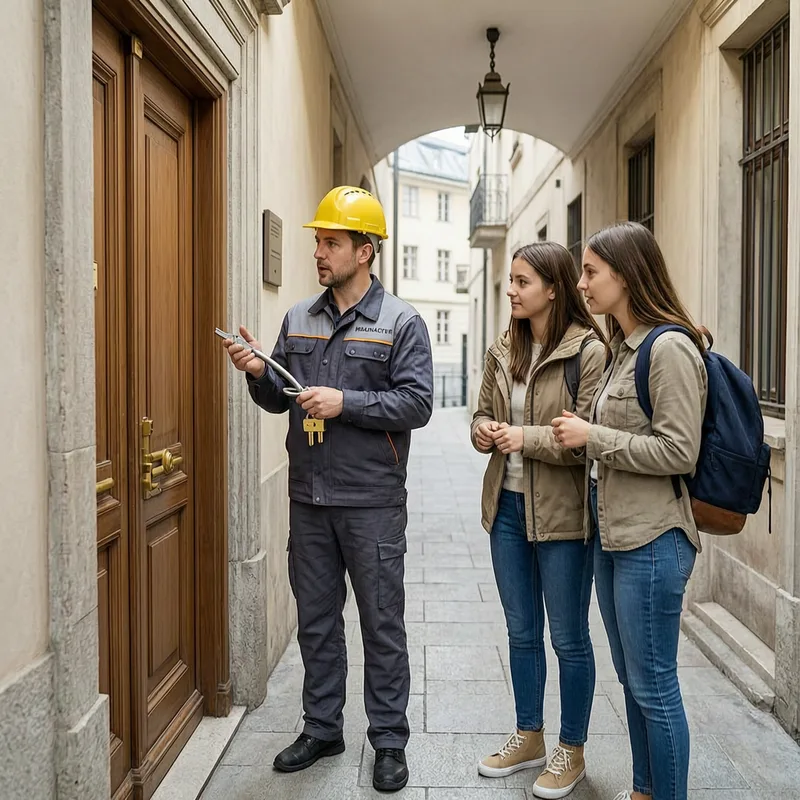
Moving to Germany as a single expat brings excitement and independence, but also the responsibility of securing your living space. Whether you're renting an apartment in Berlin, Munich, or a smaller city, understanding German security standards and local safety practices is essential. This guide provides actionable advice tailored to English-speaking expats who want to feel safe and secure in their new home.
German homes and rental properties follow specific security regulations, and many safety features differ from what you may be accustomed to in your home country. From understanding door lock types to assessing your neighborhood, this article covers everything you need to know to create a secure living environment while living independently in Germany.
Understanding German Door Locks and Entry Security
German doors are equipped with standardized security features that you should familiarize yourself with immediately upon moving into your apartment. The most common type is the DIN-compliant cylinder lock, which uses a specific key system recognized across Germany. These locks are typically embedded in a multi-point locking mechanism that secures the door at multiple points when you turn the key—far more secure than simple single-point locks found in many other countries.
When you receive your apartment keys, ensure you understand how many points lock when you turn the key. High-security cylinders (rated DIN 18252) are increasingly common and provide better protection against lock picking and forced entry. If your lock appears worn, loose, or operates with difficulty, contact your landlord immediately to request a replacement or repair. Never attempt to modify or upgrade locks without written permission, as this may violate your lease agreement.
Consider adding a secondary security measure such as a door chain or doorstop wedge, which are legal in German rentals and provide extra protection when you're home. For additional peace of mind, ask your landlord about installing a peephole or video doorbell if one isn't already present. These additions help you verify who is at your door before opening it.
Window Security and Ground Floor Considerations
Windows in German apartments typically feature multi-point locking mechanisms similar to doors, with handles that lock the window in place when turned. Check that all windows close completely and lock securely before considering your home safe. Many older buildings have traditional wooden-framed windows; if these don't lock properly, inform your landlord, as they're legally responsible for maintaining secure windows. Newer apartments often have modern tilt-and-turn windows with superior locking systems.
If you live on the ground floor or have easily accessible windows, window security becomes especially critical. Consider installing window locks or security bars if your landlord permits it—these are standard in many German properties and significantly deter break-ins. Keep curtains or blinds closed, particularly at night, to prevent outsiders from seeing into your apartment and assessing what valuables you own. Avoid leaving windows open when you're away, even partially.
For basement or ground-floor apartments, pay special attention to window wells and ensure they're clear of debris that could hide an intruder. Motion-sensor lights outside ground-floor windows act as an excellent deterrent and are often acceptable additions in rental properties. Always report any broken window locks or damaged frames to your landlord in writing to maintain documentation of your maintenance requests.
Creating a Security-Conscious Living Routine
Developing consistent security habits is as important as physical locks and security devices. Always lock your doors and windows when leaving your apartment, even for short trips to the mailroom or a quick errand. German neighborhoods are generally safe, but opportunistic theft from unlocked homes does occur. Consider using a simple checklist by the door: keys, phone, wallet—and lock confirmation. Make locking your door an automatic habit, not something you think about.
Be cautious about who you give your spare key to, and never leave it under doormats, flower pots, or other obvious hiding places. If you need someone to access your apartment, ask your landlord for guidance on secure key handover procedures. When receiving visitors, use the peephole or intercom before opening the door. If you don't recognize the person or they seem suspicious, you're not obligated to open the door—legitimate service providers will have credentials and can reschedule if needed.
Vary your routine occasionally to avoid becoming predictable, and inform trusted neighbors or friends when you'll be away for extended periods. In German apartment buildings, building-adjacent neighbors often look out for one another, so establishing friendly relationships provides an informal security network.
Technology and Modern Security Solutions
Modern security devices can add an extra layer of protection for expats living alone. Smart door locks (if permitted by your landlord), security cameras in common areas, and alarm systems are increasingly popular in German apartments. However, always check your lease agreement before installing any technology—some landlords restrict certain modifications. Wireless systems that don't require permanent installation are often acceptable alternatives.
Consider a simple door/window sensor system that alerts your phone if entry points are opened. Many of these systems are affordable and battery-operated, requiring no installation. Additionally, motion-sensor lights in hallways or entryways deter would-be intruders. If you install any security technology, ensure it respects German data protection laws and your neighbors' privacy. Recording devices in shared building spaces may violate GDPR and local regulations, so consult your landlord before proceeding.
Frequently Asked Questions
Contact your landlord or property management company immediately. They will likely arrange for a locksmith to change the lock at your expense (typically €150–€300 in Germany). While waiting, request temporary access or accommodation. For future protection, keep a spare key with a trusted friend or family member rather than hiding it in your apartment.
Traditional deadbolts are less common in Germany than in some other countries. Instead, German locks use multi-point locking cylinders that secure the door at several points simultaneously—often providing equivalent or superior security. If you prefer a traditional deadbolt, discuss installation with your landlord, though modifications to rental properties require written permission.
Send a written request (email is acceptable) explaining your security concerns professionally. For example: 'I would like to improve home security by installing a door chain and window locks. Would you permit these non-permanent additions?' Most German landlords appreciate tenants' security consciousness. Document the response in writing to avoid future disputes about modifications.
Video doorbells are increasingly acceptable in German rentals, but you must check your lease first and ensure compliance with German data protection laws. The camera should only record your private entry area, not shared building spaces or neighboring apartments. Inform your landlord in writing and consider posting a notice about video recording to respect your neighbors' privacy.
Most German apartment buildings have intercom systems (Klingel) at the main entrance, allowing you to screen visitors before buzzing them in. Learn how to use yours immediately and never buzz in someone you don't recognize or whose identity you can't verify. Main building doors should always be locked; if yours doesn't lock, inform your landlord. Report any broken intercoms or doors promptly.
English-speaking locksmiths available 24/7 across Germany.