Finding accommodation for a short-term stay in Germany—whether for work, tourism, or relocation—requires more than just checking photos and amenities online. Security should be a top priority, especially for international visitors and expats unfamiliar with local standards and neighbourhoods. Vacation rental platforms like Airbnb, Vrbo, and German-specific sites offer convenience, but they also require careful vetting to ensure your safety and peace of mind.
This guide walks you through essential security considerations before you book, practical precautions to take upon arrival, and how to identify trustworthy properties and landlords in Germany. Whether you're staying in Berlin, Munich, Frankfurt, or smaller towns, these steps will help you enjoy your time without worry.
Evaluate the Property Before Booking
Before committing to a vacation rental, conduct thorough research on both the property and the listing. Start by reading recent guest reviews carefully—look for comments about lock quality, security incidents, or landlord responsiveness. Check the property's photos against the listing description; authentic properties typically show clear, recent images of entrances, locks, and common areas. Pay attention to whether the landlord has professional verification, multiple bookings, and a verifiable history in the community.
Request additional photos or a video tour if something feels unclear, and don't hesitate to contact the landlord with security questions. Ask specifically about lock types (DIN-standard pins are more secure), whether locks are changed between guests, and what happens if you lose keys. Legitimate landlords welcome security questions and provide detailed answers. Check the property's location on Google Maps and Street View, and research the neighbourhood using local crime statistics available through Berlin's Polizeipräsidium website or your state's Landespolizei.
Verify the landlord's identity through the platform's verification system, and use booking platforms that offer buyer protection. Avoid wire transfers to unknown accounts or payments outside the rental platform—these are common scam indicators. If something feels off during communication, trust your instincts and continue searching for other options.
Lock Types and Entry Security Standards
German vacation rentals typically use several lock types, each with different security levels. The most common are key-operated cylinder locks (Zylinderschlösser), which should meet DIN 18252 standards for reliable security. When you arrive, check that the lock functions smoothly and that you receive all keys. Never assume a lock is secure simply because it's present—older or poorly maintained locks can be compromised. Request that the landlord change locks or rekey cylinders between guest stays; reputable property managers do this as standard practice.
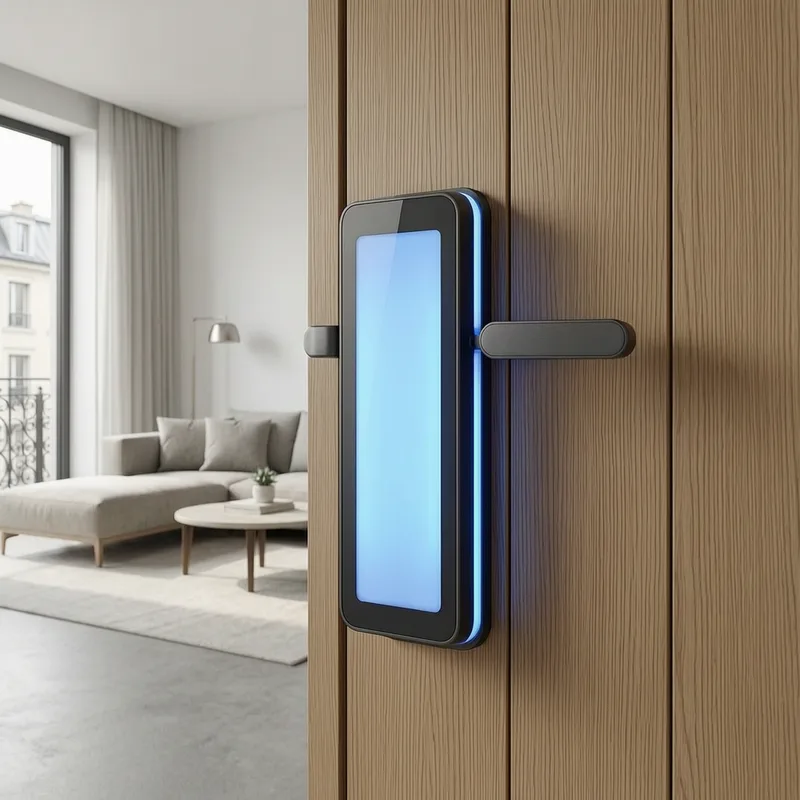
Digital locks and keyless entry systems are increasingly popular in German cities and offer convenience plus the ability to deactivate codes after checkout. If the property has a digital lock, ask for clear instructions on battery life, what to do if it malfunctions, and an emergency contact number. Window locks (Fenstergriffe mit Schloss) are also standard in German apartments—test them upon arrival and report any that don't close properly. Balcony and patio sliding doors should have security bars or locks that prevent external opening.
Request that your landlord provides DIN-standard locks rather than cheaper alternatives. If locks appear damaged, rusted, or unreliable, contact the landlord immediately and request repair or replacement before settling in. Document lock condition with photos for your records, especially if reporting issues later becomes necessary.
On-Arrival Safety Checklist
Upon arrival at your German vacation rental, conduct a complete security walk-through before unpacking. Test all entry locks, window locks, and sliding door locks to ensure they function properly. Check for spare keys hidden outside (under mats, flowerpots, or ledges) and inform the landlord if you find any—these are security risks. Inspect the apartment for hidden cameras or recording devices, particularly in bedrooms and bathrooms; modern spy cameras can be tiny, so look carefully in air vents, clocks, and electrical outlets. Ask your landlord in writing where any security cameras are located and whether they record audio (which is illegal in Germany without consent).
Change or set the locks to a new code if possible, and note down the landlord's emergency contact number and your building's porter or caretaker information. Before going out, always lock all doors and windows, and consider using door wedges or portable door locks for extra security. Keep valuables, passports, and important documents in a safe or locked luggage piece rather than on nightstands. Most German vacation rentals are safe, but these precautions take minutes and provide significant peace of mind.
Reporting Issues and Knowing Your Rights
If you discover security problems during your stay—broken locks, non-functioning windows, or other hazards—document everything with photos and videos, then contact your landlord and the rental platform immediately. German tenant law (Mietrecht) requires landlords to maintain properties in habitable condition, including functional locks and secure entry points. For short-term rentals, this protection is less formal but still enforceable through platform dispute resolution. Report the issue in writing (email) so you have a record, and request remediation with a specific deadline.
If the landlord is unresponsive or refuses to fix critical security issues, you may be entitled to a partial refund or cancellation depending on the platform's policies and German consumer protection laws. Contact the platform's customer service team and file a formal complaint; most major platforms have dedicated teams for safety and security concerns. If you experience theft or other crime during your stay, contact the local Polizei (police station) and file a report, then notify the landlord and rental platform. Keep all documentation, correspondence, and receipts for potential insurance claims or disputes.
Frequently Asked Questions
Contact your landlord immediately by email or phone and explain the issue clearly, including photos if possible. A functional lock is essential for habitable accommodation under German law. Request that the landlord repairs or replaces the lock within 24 hours, especially for entry doors. If the landlord doesn't respond or refuses, contact your rental platform's customer service and file a safety complaint. For emergency repairs outside business hours, ask your landlord for an emergency locksmith contact or handle it yourself and request reimbursement later with documentation.
No. German law (Kunsturheberrechtsgesetz and Strafgesetzbuch) strictly prohibits recording in private spaces like bedrooms and bathrooms without explicit consent, even in rental properties. Security cameras in common areas must be disclosed to guests. Upon arrival, ask your landlord where any cameras are located and whether they record audio—audio recording without consent is illegal. If you discover hidden cameras in private areas, photograph them, leave the property if you feel unsafe, and report the landlord to the police (Polizei) and the rental platform immediately.
German rental law generally requires you to obtain written permission from the landlord before modifying locks or adding permanent devices. Portable security options like door wedges, door alarms, or temporary locks are usually acceptable and don't damage the property. If you want to add a temporary digital lock or upgrade the existing lock, discuss this with your landlord in advance. Most reasonable landlords will agree if the devices are removable and don't damage the property. Always restore the original condition before checking out, or you may lose part of your deposit.
Keep copies of all written communication with your landlord about security concerns, including emails and platform messages. Take photos and videos of any damaged locks, windows, or other security problems, with timestamps visible. Save receipts for any repairs or replacements you pay for out of pocket. If you file a police report for theft or crime, keep a copy of the report number and file. These documents protect you in disputes, insurance claims, and platform resolution processes. Store copies separately from your valuables and consider uploading them to cloud storage.
Research the neighbourhood before arrival using Google Maps, Street View, and local crime statistics from your state's Polizeipräsidium website. Ask your landlord about the area's safety, local transport, and neighbourhoods to avoid at night. Stick to well-lit streets, use registered taxis or transport apps like Uber and Bolt, and keep copies of emergency numbers (Polizei: 110, ambulance: 112). Avoid displaying expensive electronics, cameras, or large amounts of cash. Store passports and valuables in your rental's safe or secure location. Trust your instincts—if an area or person feels unsafe, remove yourself from the situation and contact your landlord or local authorities.
English-speaking locksmiths available 24/7 across Germany.